

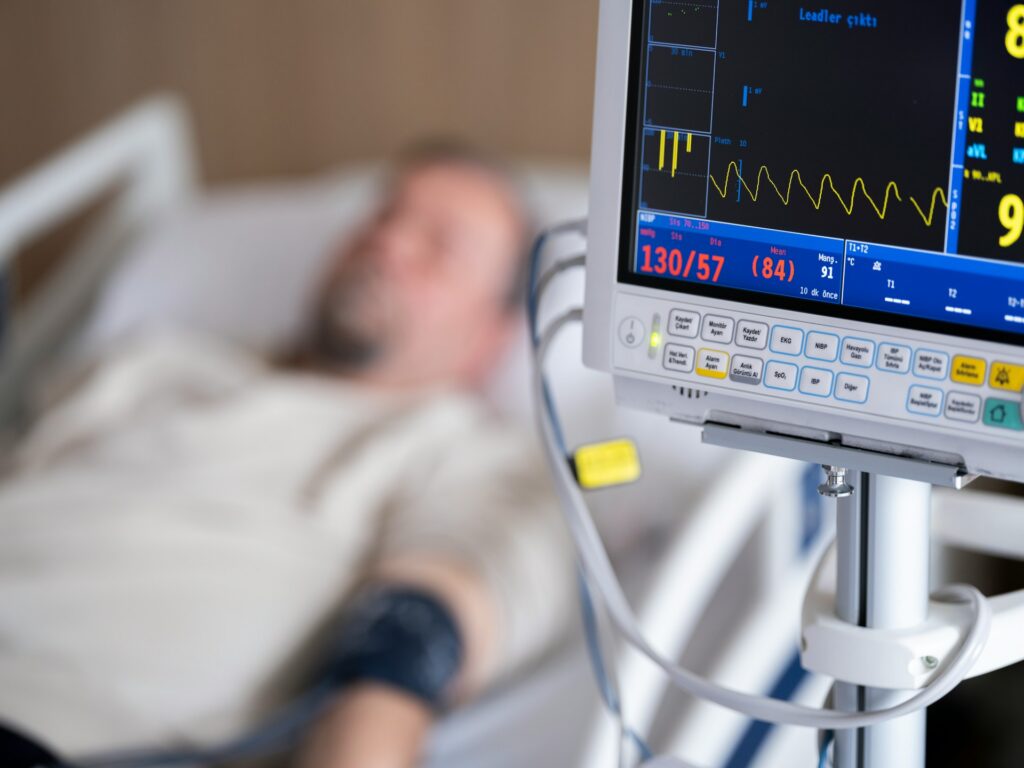
If you or someone you love is struggling with substance withdrawal, you are not alone and help is closer than you think. At Serenity at Summit in Union, New Jersey and Haverhill, Massachusetts, we protect your cardiac health during detoxification with expert medical care.
Withdrawal from alcohol, opioids, benzodiazepines, and stimulants places tremendous strain on your heart. Without proper medical supervision, these physical risks can become life-threatening emergencies. Our medical team understands that protecting your heart during detox is as important as addressing the psychological components of addiction.
What Are Cardiac Arrhythmias and Why Do They Occur During Withdrawal?
One of the most dangerous complications during medical detox is cardiac arrhythmias—irregular heartbeats. Arrhythmias can range from mild palpitations that feel like your heart is skipping beats to severe conditions like atrial fibrillation or ventricular arrhythmias that can be immediately life-threatening.
During withdrawal, your autonomic nervous system becomes hyperactive, causing your heart rate to accelerate unpredictably. We have seen patients experience heart rates exceeding 120 beats per minute, sometimes reaching dangerous levels.
The highest risk occurs during the acute phase of withdrawal—typically the first 48 to 96 hours after your last use. This is precisely why we recommend acute treatment at our medical facilities in Union, New Jersey and Haverhill, Massachusetts rather than attempting detox at home.
Why Is Alcohol Withdrawal So Dangerous for Your Heart?
Alcohol is one of the most physiologically dangerous substances to withdraw from. Alcohol withdrawal can trigger autonomic hyperactivity, where your entire nervous system becomes overactive, and heart failure becomes a genuine risk during severe withdrawal.
For individuals who have been heavy drinkers for years, alcohol withdrawal can cause acute decompensation of the heart muscle itself. Alcohol is directly toxic to cardiac tissue, and chronic heavy drinking often leads to alcoholic cardiomyopathy—a weakening of the heart muscle. When withdrawal begins, the sudden stress on an already-compromised heart can precipitate acute heart failure.
Additionally, alcohol withdrawal raises cortisol and catecholamine levels dramatically. Catecholamines are hormones like adrenaline and noradrenaline that increase heart rate and blood pressure, causing severe hypertension and tachycardia during acute alcohol withdrawal.
How Does Opioid Withdrawal Affect Your Cardiovascular System?
While opioid withdrawal is generally less immediately life-threatening than alcohol withdrawal, it still carries significant cardiovascular risks that we take seriously. Opioids suppress respiratory and cardiac function at baseline, which means when you stop taking them, your sympathetic nervous system rebounds.
During opioid withdrawal, you experience severe agitation, muscle aches, sweating, and elevated heart rate. Heart rates of 100 to 130 beats per minute are common during acute opioid withdrawal. For individuals with underlying cardiac conditions, this stress can trigger angina, arrhythmias, or myocardial infarction.
Combining appropriate medical support with medication-assisted treatment protocols provides the best protection for cardiac health during opioid withdrawal. Medications used in MAT, such as buprenorphine or methadone, stabilize your nervous system and prevent the severe rebound activation that creates cardiac risk.
How Does Medical Detox Protect Your Heart?
Medical detox is not simply about comfort—it is about survival. When you undergo medical detox at Serenity at Summit in Union, New Jersey or Haverhill, Massachusetts, we provide several critical protections for your cardiovascular system:
- Gradual versus abrupt cessation: For some substances like benzodiazepines, we use tapering protocols that allow your body to readjust gradually rather than shocking your system with sudden cessation.
- Hydration and electrolyte management: Withdrawal causes severe sweating and fluid shifts. We monitor and replenish electrolytes, which are critical for normal heart rhythm.
- Baseline cardiac assessment: Before detox begins, we assess your baseline cardiac status so we can identify patients at higher risk and provide extra monitoring or intervention.
Continuous cardiac monitoring
We use EKG monitoring and vital sign assessment throughout the acute withdrawal phase to detect arrhythmias, hypertension, or tachycardia before they become emergencies.
Medication protocols
We use medications specifically chosen to manage the autonomic hyperactivity of withdrawal while protecting your heart. These may include beta-blockers to slow heart rate, medications to manage blood pressure, and other agents tailored to your specific withdrawal syndrome.
At our Union, New Jersey and Haverhill, Massachusetts locations, we have the medical infrastructure to provide this level of care. Our acute treatment protocols are specifically designed to manage the cardiovascular challenges of withdrawal safely.
How Do Mental Health Conditions Affect Cardiac Health During Recovery?
Many individuals struggling with addiction also have underlying mental health conditions. We provide dual diagnosis treatment because mental health and cardiac health are intertwined. Anxiety and depression both increase cardiovascular risk, particularly during withdrawal when your nervous system is already unstable.
By treating both substance use disorder and underlying mental health conditions simultaneously, we reduce overall cardiovascular strain. Treating anxiety with appropriate therapy and, when necessary, non-addictive medications helps protect your heart during recovery.
How Long Does Your Heart Take to Heal After Withdrawal?
The cardiovascular risks of withdrawal do not end after the acute phase. Your heart requires time to heal. Through our residential treatment and continued outpatient programs at our Union, New Jersey and Haverhill, Massachusetts locations, we support your cardiac recovery over weeks and months.
Our therapeutic services include addiction therapy and holistic approaches that help manage stress and anxiety, which directly benefits your heart. Regular physical activity, stress reduction techniques including meditation and breathwork, and continued medical support all contribute to cardiac healing. We monitor your cardiovascular recovery even after the acute detox phase, recognizing that your heart requires weeks of support as it normalizes its function and heals from the stress withdrawal imposed.
Ready to Protect Your Heart and Start Recovery?
You do not have to face this alone. If you or someone you care about is struggling with substance use, do not delay seeking help. These physical cardiac risks are precisely why professional treatment exists. We have the expertise and medical infrastructure to manage withdrawal safely and protect your heart throughout the process at Serenity at Summit in Union, New Jersey or Haverhill, Massachusetts.
Our team is available to answer your questions about how we address cardiovascular health during detox and treatment. We can help you verify your insurance coverage and discuss admissions options. Contact us today to take the first step toward recovery and healing.
Frequently Asked Questions About Detox and Heart Health
Yes, withdrawal can precipitate a heart attack, particularly in individuals with underlying coronary artery disease or in those withdrawing from stimulants like cocaine or methamphetamine. The severe stress on your cardiovascular system during withdrawal—elevated heart rate, blood pressure spikes, and the inflammatory response to withdrawal—can trigger myocardial infarction.
This is why medical detox with cardiac monitoring is essential. If you have any history of heart problems, inform your treatment team immediately so we can provide additional monitoring and protection.
The acute cardiac risks are highest during the first 48 to 96 hours of withdrawal, particularly for alcohol and benzodiazepines. However, cardiovascular stress can persist for weeks or even months as your body fully heals.
Arrhythmias can occur even after the acute withdrawal phase. This is why we continue monitoring and supporting your cardiac health throughout the entire treatment process, not just during acute detox.
Yes. Many individuals do not know they have underlying cardiac vulnerabilities until they experience significant stress.
Additionally, withdrawal creates acute cardiac stress even in people with healthy hearts before addiction. Medical detox is recommended for heavy or prolonged use of any substance—alcohol, opioids, benzodiazepines, or stimulants—because the physical risks are real regardless of your baseline health status. Light recreational use may carry lower risks, but if you are struggling with addiction, professional detox is the safer choice.
We use a variety of medications tailored to your specific situation. Common options include:
Beta-blockers to manage tachycardia and hypertension, benzodiazepines (prescribed under medical supervision) to reduce anxiety and autonomic hyperactivity, and other agents depending on your needs. We also use medication-assisted treatment for opioid and alcohol use disorders, which stabilizes your nervous system and prevents the dangerous rebound effect. All medications are prescribed and monitored by our medical team.
For mild use, some individuals may manage mild withdrawal at home with careful monitoring. However, for moderate to heavy use, home detox carries significant risks, particularly cardiac risks that you cannot monitor without medical equipment.
Without EKG monitoring, you will not know if you are developing dangerous arrhythmias. Without proper medications, your autonomic rebound may become severe.
Without medical supervision, complications can escalate to emergencies. We strongly recommend medical detox at a facility like Serenity at Summit where we can provide the level of monitoring and intervention necessary to keep you safe.
Sources
- Stiles, M. H., Tong, Y. C., Boulanger, J., & Merchant, F. M. (2021). Arrhythmias in Patients with In-Hospital Alcohol Withdrawal. Retrieved from: https://pmc.ncbi.nlm.nih.gov/articles/PMC8703122/. Accessed on March 2, 2026.
- National Institute on Drug Abuse. (2024). Cardiac Complications of Common Drugs of Abuse. Retrieved from: https://pubmed.ncbi.nlm.nih.gov/34737034/. Accessed on March 2, 2026.
- Electrocardiographic Changes During and After Alcohol Withdrawal. (2023). Retrieved from: https://pmc.ncbi.nlm.nih.gov/articles/PMC11037468/. Accessed on March 2, 2026.
- Substance Abuse and Mental Health Services Administration. (2024). Medications for Substance Use Disorders. Retrieved from: https://www.samhsa.gov/medications-substance-use-disorders. Accessed on March 2, 2026.
- National Institute on Drug Abuse. (2024). Treatment and Recovery. Retrieved from: https://nida.nih.gov/publications/drugs-brains-behavior-science-addiction/treatment-recovery. Accessed on March 2, 2026.
